

From Side Project to Trusted by Disney: Robert Abela on 13 Years of Melapress

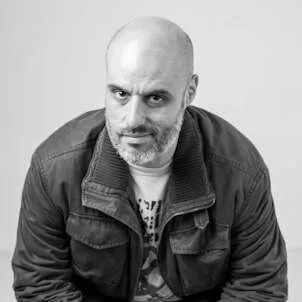


In this episode of the True Operators Podcast, Alex Panagis sits down with Robert Abela, founder and CEO of Melapress, to unpack a problem most successful founders eventually hit: what do you do when a great product stops being enough?
Robert built WP Activity Log as a side project in 2013. Over the next decade, it grew into one of the most trusted security plugin suites in WordPress, used by Disney, Bosch, Amazon, SolarWinds, and DHL. He crossed $1M ARR with zero marketing spend.
Then revenue flatlined.
When the numbers stop moving
The hardest part about hitting a growth plateau is that nothing is broken. Customers stick around. The product works. The same playbook that got you here just stops working.
Robert noticed the pattern after a few months of seeing the same MRR numbers roll in. It took stepping back to realize that what got Melapress from zero to $1M ARR was not going to get it to the next level.
A technical founder learns to market
For years, Robert ran Melapress the way many developer-founders do. Feature ideas shipped on instinct. Marketing was an afterthought. The dev team and marketing team operated in separate silos.
That changed in the last 18 months.
Now, product updates involve the whole company sitting down together. Marketing knows what is shipping before it ships. Development understands why certain campaigns are running. Decisions are planned, not reactive.
Robert also replaced junior hires with senior people across development and marketing. Same headcount, higher output.
The enterprise problem nobody talks about
One of the more revealing parts of the conversation is how enterprise customers actually find WordPress plugins.
Melapress never built an enterprise sales motion. Disney, Bosch, Amazon all showed up organically because the product was that good. But selling a $149/year plugin to a company that requires procurement forms, supplier registration, and multiple meetings means Melapress often loses money on the deal.
Robert is actively working on how to separate the self-serve buyer from the enterprise buyer without creating a completely different product. He does not have the answer yet, but the problem itself is one of the most under-discussed challenges in the WordPress ecosystem.
Shedding products to grow
At one point, Melapress had five plugins and was spreading the team too thin. Growth stalled not because the market shrank, but because attention was divided.
Robert sold off one plugin and refocused the company on three core products: WP Activity Log, WP 2FA, and Melapress Login Security. The effect was immediate. WP 2FA grew more from September to December 2024 than it had in the entire previous 12 months, simply because it was finally getting regular updates.
Showing up as a founder
The most personal shift Robert describes is stepping out from behind the brand.
For years, he attended WordCamps and meetups without telling anyone who he was or what he built. He sat in the back row. He undersold himself.
Over the last year, he has been intentionally building connections, shaking hands, and talking about what Melapress does. Partnerships like the one with Paid Memberships Pro came from that shift. Instead of just quietly building an integration, Melapress reached out, collaborated, and co-promoted.
What AI changes for a lean team
Robert’s team of seven uses AI across every department, but carefully. Support offers both an AI chat and a human option because he personally hates being forced into AI-only support. Development is still experimental. Content is AI-assisted, not AI-written.
His take: AI makes seniors faster but does not replace juniors who lack interest. The gap between junior and senior output has widened, not closed.
We dig into
- Recognizing and responding to a revenue plateau
- Running a remote team of seven without over-processing
- From $1,000 year one to $1M ARR with zero marketing
- The bundling and auto-renewal decisions that doubled revenue
- Why WordPress enterprise sales are structurally broken
- Shedding products to focus on what actually grows
- How technical founders can learn to show up
- AI as a tool for seniors, not a replacement for juniors
- The loneliness of solo founding and the co-founder question
About Robert Abela
Robert Abela is the founder and CEO of Melapress, a WordPress security company behind WP Activity Log, WP 2FA, and Melapress Login Security. He has been building WordPress security plugins for over a decade, serving everyone from individual site owners to Fortune 500 enterprises. Find him at melapress.com and @robertabela on X.
Episode Transcript
[00:00:00] Alex Panagis: Most founders think the hard part is product market fit, but what happens when you’ve already built a solid, profitable product and growth just stalls? Imagine checking your MRR and seeing the same or relatively similar numbers again and again. You haven’t lost a significant percentage of customers. Nothing is broken and the product still works and is clearly of value, so it’s not quite a crisis, and that’s exactly what makes this a lot harder to fix. Today we’ll talk about what it takes. To break through this ceiling and of course much more with Robert Abella, founder of Mela Press. He’s built one of the most trusted security plugins in WordPress used by brands like Disney and Bosch by seemingly just building a great product. And in case that sarcasm wasn’t obvious enough, this was just done over a decade, which is obviously real hard part. But last year he changed how he shows up as a founder, person and company. Robert, welcome to the show.
[00:00:54] Robert Abela: Thank you Alex. Thank you for having me.
[00:00:56] Alex Panagis: Amazing. Really great to have you on. So in typical true operators fashion, let’s dive straight in. For years, the product was enough, so to say, and I’m sure that we’re going to revisit this characterization of enough. What changed internally for you and when do you think it was that you realized it was time for a change?
[00:01:14] Robert Abela: Very good question. So basically, in terms of when we started we have four plugins three plugins actually. One of them WP Activity Rock is the flagship product is the biggest product by far. It generates most of the revenue. We have WPFA, which is growing now quite fast but the until now it’s still WP Activity Lock, which is the main flagship product year after year. It had both the free plugin and also the premium plugin. They had very good growth, which is expected when you were still small, especially the first few years. However, around one and a half, two years ago, again, it start like the sales in terms of numbers and also revenue started plateauing. Not exactly plateau, but yeah, it’s always like at the same level, month after month. And yeah, it takes a few months after you realize, because some, maybe the first month, second month, maybe it’s a coincidence, whatever, but then it, you start seeing a pattern. And that’s when we realized we had to do something because as such, we, and as you said, it’s a bit difficult because it’s not that we did something wrong, we were doing what we always did. But somehow revenue like plateaued. So it’s like what’s, you had to dig deep look into what we were doing and start actually not trying to find what’s wrong, trying to understand maybe what we were doing or what we were, what we used to do, why it’s no longer working, basically. So it was the hardest part. And after recognizing this pattern, of course. Especially the last two years, it’s been quite an adventure change. Something members changed the way we do work at church. There’s been a lot of changes. I dunno if you want me to go into detail right now or if you have some other questions maybe. And maybe break it down a bit more.
[00:02:52] Alex Panagis: Yeah, we’re gonna dive into remote work and all the things. I have lots of questions about that you’re, but we can jump ahead to that. Your team size right now is around seven. Correct me
[00:03:01] Robert Abela: With seven, yeah. Correct.
[00:03:02] Alex Panagis: Yeah. And are there any rituals or traditions that you’d, you’d say have changed? Well, as you grew to seven, but also as you face the particular growth ceiling right now have you rethought the way that you previously did remote work, or has it stayed relatively the same?
[00:03:19] Robert Abela: No, it’s not too much work as such. Many people ask me to be honest, I was planning to write a blog post about this on my personal website ’cause I’ve seen a lot of comments and posts only lately about remote working. And I’m sure like everyone else, you follow the news. Pre Corona remote work wasn’t a thing. Corona came, remote work came a thing, and now especially larger companies are pushing back to have people in the offices and people are pushing back and there’s all this, which is why, which one is the best or not? I don’t have any preferences to be honest. We started working remotely because it just happened, so it wasn’t a decision. So basically, yeah, I was freelancing. I had this idea. I started developing some, the basics of the plugin, the foundations of the plugin. And I had a friend who was helping me part-time who lived in a different country and just started to grow that way. That’s why. But in terms of how we work remotely, nothing changed. It’s more how we work internally, the processes. I think the two biggest changes that happened the last year, during last year especially, there are two things, how I look at the business and how we do things internally. So how I look at the business it sounds, I wouldn’t say I’m unprofessional, but yeah, up until last year, even day, even though I’ve been, so the priest, I started this as a hobby slash project around 13 years ago. And I’ve only switched full-time 6, 5, 6 years ago, even though I switched full time and I have full time, somehow it still felt not really work. Kind of thing about it is it still felt oh, we’re having fun and stuff like that. So a lot of things we were doing just because also we had a good product, so it really took off. I wouldn’t say on the song, ’cause there’s still of course, effort behind it, but yeah, it was relatively easy to do. Yeah, I think we were looking, we weren’t so professional about it. But then again looking backwards oh, we could have done this better. We could have done this better. So yes, we did change the approach, the way we do things. So instead. Even like in terms of marketing everything, the marketing, the product in terms of just, oh, we like this feature, let’s do it now. And without any planning we are learning how to have a bit more of a long-term vision plan a bit more and say, okay, does that, is this feature required? Now we have a list of features, is this better than chat? And we start to try to plan accordingly. Not just, oh, this looks good right now, let’s do it right now. So we it’s more about yeah, the way we work. And so we’re trying to be a bit more yeah, proactive and try to understand better and try to plan a bit better. Not necessarily a plan long term, but if there’s something suggest, oh, let’s do this, have fun. We see what other options there are, we discuss it. We include if a product updates before it was, there was a big separation between. The product department as a tech developers and testers and the marketing and website people now, like if there’s an update coming, we sit down together, we discuss it. So even marketing are kept up to date what was happening. And by the way, even the development guys are kept up to date what’s happening in marketing, because sometimes maybe marketing, because of marketing, we need an extra page in the product or the product, something specific. So it’s more about the way work together, plan a bit more, and also make sure everyone, the team is up to date and not just make ad hoc decisions, but actually okay, discuss the feature together, discuss the thing, discuss the next update. We’ll have this feature, make sure everyone is on is up to date with that one. Make sure everyone agrees. Of course there will always be discussions for this, but in general everyone says, oh, okay, that seems to be the most needed thing and to move forward with that. So it’s more it’s more about that. But in terms of how we work remotely is still the same. It’s more like the processes that we’ve.
[00:06:47] Alex Panagis: It makes sense. I guess early on the, there was not so much of a, you know, oh, we have to balance all of these priorities and which feature are we gonna go after, because you kind of, there was almost, what is the other choice? We’re gonna go after this feature because the signal that this was the right thing to do is probably super strong in the early day. Whereas now you get lots more feedback from customers, lots more opinions from also people in the team, but you know, other companies that you, you know, and people you speak to. So you have to like, balance the cost of doing this is a trade off because you don’t get to do other things as a result of it. So I like, I wanted dive more into specifically maybe some changes if there are that affected or were a result of the size that you’ve now reached. Which, I dunno how, how long you’ve been at the size seven. Has that been like a, a year or two already?
[00:07:30] Robert Abela: It is been, yeah, I think around a year and a half or two. Something around along those lines. Yes.
[00:07:34] Alex Panagis: Okay, because, so my, my view we’re a similar size as well, so I’ll start, I’ll say that I think it’s an interesting size. I don’t hate the size, but I think it actually comes with, in my view, at least in our operation, which obviously different structure, it comes with some unique challenges, which is that you’re, you’re too big already to be as agile, like what you described in day one where it’s like, oh, you have a feature idea, you can just do it, or you have an idea, you can just execute because it starts to become hard to keep track of what people are doing and make sure that everybody’s doing their part and also enough for what they’re compensated. And then it’s, it’s also on the converse side, I think it’s at seven people, it’s too small to introduce a lot of processes, a lot of like bureau bureaucracy and structure because there aren’t normally multiple people doing every single job. So I wonder if there’s. Like, has that resulted in any change, or you think that the dynamic is very similar to when you were like three people or, or four people are it?
[00:08:32] Robert Abela: No, and that’s why I think in the previous, my previous answer’s why I said, I think before I never looked at it as in like a professional business. It’s not that it wasn’t a business, it was a full-time job of course and work. However, yes, I think most of my fault, there’s no one to blame. But yeah, I was looking at it as if we’re still like two or three people like, yeah, let’s do this one somehow. Magic clear. I thought, I don’t know. Like people would get to know about it on the team at church or So as the team grows. Yes, indeed. You do have, you do need to change some things. As you said, it’s not a very big team. It’s not. Two or three people either. So yes, you do have to you don’t want to overkill it with lot of procedures, but you do have to make that effort and make sure everyone is on board, and everyone is on board on what’s next and what’s happening. Especially as a remote company, that is, I think one of the biggest disadvantages or one where we need to put much more effort is communication. Communication is always important, but I’ve worked in bigger companies and I’ve worked in office. It’s much easier to go to someone’s office, have a chat, and they take care of the, however, remote is a bit more different, so you need to, so yeah, that is most probably, that is what has changed. Making, putting in a bit more effort to make sure everyone is in line is on the same page. And through working together on this thing then and after this thing is coming, et cetera.
[00:09:47] Alex Panagis: Okay. So speaking of working in bigger offices correct me if I get any of this wrong, but from my understanding, you worked originally starting your career as a software tester at GGFI software. You worked your way through systems engineering, research, product management, and eventually that led to a role of VP of marketing at acu, a web security company. I’m curious, yeah. Based ’cause you cited that so that I’m sure there’s some learnings there of what you did differently because you saw it didn’t work or maybe you saw things that did work really well in those companies. How did they shape how you decided to build Melo Press?
[00:10:18] Robert Abela: It’s, first of all, I’ve never decided to build my press as an, I always wanted to have a software company because that’s all I did in the previous 14 years, and that’s all I knew. Quite frankly, I’ve always worked for software companies but I never thought I had resources. Physically or not to start software company. In fact, W Rock started out of curiosity because back then I was cleaning hex websites. When I left and started freelancing, I started writing about security and stuff. ’cause I always work for software comp, security software companies. And yeah, I was cleaning he websites back then, WordPress, and see, I realized there are no logs. So I started writing the plugin. Also, I’m not a developer per se. I can write a few lines of code. So I want to experiment, start writing the code. It’s an excuse to learn, to have something extra that I can use. So that’s how I started. However, yeah I did learn a lot especially when I was a systems engineer at GFI software. I think it’s one of the best roles because. As a systems engineer, you deal with every department of the company with the sales people, with developers, with the testing, with the marketing and all of those, because of course yeah you’re maintaining systems. So if sales have a problem they call you. And what I really enjoy is if sales had a problem with something specific, I was always curious just so I know. And they’re like, can you tell me why you use this or what you’re doing? So by having that exposure, I could basically see how a software company usually runs, what’s required. Like before joining GFY, I was already technical, but I never knew what marketing was or why, how it functions. I’m not a marketing specialist myself, and I’m not a sales specialist, but you get the foundations and you get an idea why they’re needed, how they were craft. Having said that especially the last. Since we started the com, since we started Melo Press, yeah, things change very fast. Back then I’m talking at GFI, we still selling software where people used to pay extra and you should dump the CD in a box, nowadays. So yeah, things change very fast. But yeah, the foundations are always the same, of course, like I said, like the idea of having a marketing team, why this is r needed, how to develop software. Again, like the technicalities of how software is developed has changed a lot, but the principles are the same. Like you opt a lot of features, designed them from the architecture point of view having it developed, tested and stuff like that. So I did learn a lot all of these jobs before melo Press. I’ve always worked from an office. So yeah, I never had experience with, of remote companies. I never actually knew that there were remote companies before leaving my job, as in because again, back then it wasn’t that common. We’re talking about in 2013. 2000 11, 12, 13. So remote jobs were that common? We had, back then I had, especially as a system engineer, had remote access because Yeah, basic SSH and stuff Google was just getting started. In fact, I think Uniteds, we had the we used to use Gmail as a email provider. So of course we started accessing emails from home. It was getting easier. We had that before as well, but back then was like, I’m a for pop three and all those other stuff. So it was much more difficult. But yeah I did what started as a hobby log and once it started like generating some revenue and stuff, I did app, quite frankly, whatever I know is through my previous job. So I did apply a lot of things that I learned there to, to how we do things at.
[00:13:34] Alex Panagis: Nice. So my main takeaway, or one of the main takeaways from that is, and I don’t know if you would still characterize yourself as non-technical, or would you say you’re a technical founder?
[00:13:43] Robert Abela: I am a technical founder and I know for it is not just about the numbers. However, like I’ve, I usually when I speak to founders, there are two types, two ways of running companies as not two. There are many ways, but two most common ways, like it depends on where most of the budget goes. There are companies which I don’t know the exact numbers, but for example, they put six 70% of their not just budget like resources. It goes into marketing 30% to the product. So usually you end up with a very good, usually marketing company, in my opinion. That’s called a marketing company, more the software company. And then you have the, those founders which focus much more on the product. The marketing, unfortunately it’s not as good. You still invest in marketing, but there’s much more attention to product, what goes into product, et cetera. And most of the decisions in the product and in the roadmap are done based on your what you believe is good for the product rather than what you believe is good for the business, which is a bit different because not everything that’s in the product is necessarily good for the business. For example, there are sometimes you have to make a choice between two, three features, for example, that one saves much more, sells much more as a feature, but maybe it’s not that exciting for the developers or for the product in general. That another feature, for example, it might not sell that much, but like the real hardcore technic people say, oh, whoa that, that’s exactly it. That’s a good feature that makes that plugin solid. And usually we are more technical, so we do much more based on what the product. Needs and what is needed for the product, et cetera. Of course during the last year, we’ve learned how to balance that a bit more. But yeah, but the, it depends. Some of the companies I’ve worked for some of them were technically, some of them were more like marketing products where it’s purely about revenue. So yeah, you do much more what you’re in revenue rather than what is good for the product.
[00:15:26] Alex Panagis: Yeah, it’s a, it’s a, it’s an odd one because it’s almost like the technical side of it. The product side of it makes the marketing side easier, so the product side is important, but also only in specific things, like, I think the, the clearest example where I could say like, the product person will want to clear up tech debt and the marketing person will just see that as well. We didn’t have anything for three months, for example, that we can talk about or promote. And, and that’s like the, the most clear gap. But yeah, it’s obviously from, you know, a marketable feature to clearing up tech debt. There’s like a, a lot in between as well of, of things that need to be focused on. So, yeah. Sorry. Go for it.
[00:16:03] Robert Abela: especially, I dunno about much other industries ’cause I’ve always worked in this industry, but especially in the security industry, even we look at conferences. There are conferences which are considered like mainstream commercial like blackhead. Blackhead used to be more like technical, but nowadays it’s still technical, but it’s really mainstream commercial. And then you have, for example, B size, which are like the real, where the real geeks hang around. And when it comes to products, it’s the same. You have the, in the security industry, you have the products which are considered, they might not be as successful but still considered wow, that is a really good product. Who know what they’re talking about, know what this product’s about. And there are those products which yeah, the average Joe uses for security, but they’re not necessarily, if you ask the real tech people, security people tell you, ah it’s just a marketing kind of thing. Scheme rather more than a product. We tend to, we used to be much more on the tech side, technical founder. The last year and a half. I’m still a tech founder. I’m still very heavily involved and I will always be heavily involved in the product, in the roadmap of the, all the products, our products. And I’d like it through me that way. However, I’ve learned as well of course that, yeah wouldn’t say not allow marketing anymore, but it’s good. It’s good to understand that marketing is also required if you want you need to find the right balance for the long-term health of the business, quite frankly.
[00:17:14] Alex Panagis: Yeah, and I think the, like it’s paying some, I, I meet with like lots of developer founders who find it like, there’s like varying levels of it. There’s those which are like, you know, startup before launching, before having like first a hundred paying customers. And then there’s those which are successful, which still also heavily focus on, you know, development product and engineering. And they see everything through this lens where I often think that, do you often, or have you ever over the course of your journey wished that you had a co-founder that was either another technical person or a co-founder that was a business slash marketing slash operations person?
[00:17:48] Robert Abela: I’ve never had a co-founder myself. I wish that I, from the stories I’ve listened and also some from the way I feel something, the way we do things and stuff, I wish I had a co-founder ’cause I think it would feel a bit less lonely. Even though it’s a small company, some people it does get lonely. Not only as in like physical, but it does get, sometimes you have certain problems that yeah, they’re stuck with you and like you have to address it. So it does get very lonely. Now personally if yeah, if I had to choose a co-founder, yes, I would much prefer someone who’s much more into the operations business part of things, because I would be more than happy to focus on the products. ’cause this is what I like. This is, I’ve done the last few years before I started Melo press my product management and stuff, and similar type of operations. So I, yes, I would much prefer to have someone who’s more to market, because even marketing, I do have an under an idea of what marketing is of course, and why and how it works. But as soon as we start diving deep oh, there’s this campaign it’s not my, it’s not my bread and butter. So I started getting, so I much would prefer. In fact, I always say, again I’m not sure what’s will happen, of course, but if the company grows, I would much rather have find a CEO who can run the business and I can focus just on the products and the CEO can run the actual business, take care of the operations people, marketing and all this stuff. ’cause I’m much more prefer to I find it much easier to focus on the product for me because I know, of course that’s the area of expertise that I have. If I marketing and stuff, I can make some decisions, but it’s, I find it too difficult and to almost too really unpredictable as well.
[00:19:22] Alex Panagis: yeah. And it’s all consuming, I would say. Like, and, and that’s what I mean about like team size of seven is when it goes from. You can do your own like before when you’re at like three, four. I think it’s still possible, at least from my experience, to have your own work and just you can focus on your own work. And like the managing job is part-time. But I think once you’re at seven people, it’s weirdly, it is still relatively small, but the actual management and dealing with people and which, and, and I’m not saying that that’s a negative thing ’cause obviously it’s great that to, to have people by your side to, to support, but that on its own becomes quite time consuming. So some days I find I’m like spending nine to five, like in the communication aspect of making sure that everybody else can do what they need to do and they have what they need. And then you start like, shift number two is finally I can actually open my own tabs and like do the work that I had on my plate today. Which is the, the frustrating aspect of it. I think that’s, I definitely very relatable for a lot of founders.
[00:20:17] Robert Abela: Yes, you spend the day dealing with people and then after dinner, usually I just go back to the office and start my own work, which is a bit frustrating, but it’s part, in fact, I. I’m not sure if it’s, I had this either Google or Apple. Anyway, one of these big tech companies where they, I think Google have like teams, they were always working teams of five or seven people, something like that. And the idea is that usually when you have more than, at least definitely when you have more than 10 people, you need someone full-time just to manage the HR of the, those 10 people. All the communication between them, general. So even these big companies, usually I think Google they split even with big teams, they’re always split into team teams of 5, 4, 6 people. And there’s always a team lead between them. And then they communicate between them like that. Because as you said, yes, it starts even though it’s, it sounds like a small number, seven people. Yeah. Sometimes you end up days making sure, okay, they have what they need to do their work, and then in the evening you go back to your browser and start your own tasks basically.
[00:21:11] Alex Panagis: Yeah, exactly. Okay. So I want to go I know you don’t wanna talk about specific revenue numbers and we absolutely don’t have to. So if I say something that we, we have to cut out, then no stress. But I want to talk a little bit about the journey from, you know, building it out of internal need to 1 million in a RRI know from a bit of digging, so year one, if I have this correct, brought in about a thousand dollars in revenue, and then for the first six years you didn’t spend much in marketing. That’s, as you said, one of the things that changed in the last couple of years. So it was all organic community forums. I’m assuming you attended word camps, and then of course, heavily product as well, like developing the best product you could in that, you know, time period. Aside from this, I’m wondering like, was there any specific moments where it was that really clicked with specific customers because you went on to attract bigger customers like Amazon, SolarWinds, DHL, and I talk a little bit more about that journey from, you know, the, the first solution, the free plugin, introducing the add-ons and how it ended up where it is today. Yeah.
[00:22:11] Robert Abela: Sure. So yeah, we started the plugin 2013 the free plugin, double P activity log, and after just six months, eight months, we started seeing the free edition. Getting quite a good number of downloads back then already as I was like quite happy. So yeah, so within, I think within the first year after, after first year, we released the first premium item, which was email notifications. Yeah, the first years we generated something like, yeah, $1,000 or something like that. Then we started then we started developing some other add-ons. We had the integration search, et cetera, in terms of revenue. The second year was something like $10,000. But then there was a big jump because basically there were two things we’ve done differently on the third or fourth year, basically. We released the bundle. ’cause before the atoms were sold individually you can, each one was like $39 or $49, something like that. And once we started selling them as a bundle, $99, of course people just started going for the, um. For the bundle. So that’s right away double the revenue on top of that one, we started the automatic renewals because usually renewals, I think around 20, 30%. And once we enabled auto renewals, the retention was like 70 to 80% right away, year on year. So that so by putting the bundle together and enabling the auto renewals that boost revenue right away and kept on going year on year, but correctly up until the first six years, whenever I done marketing at all, not even in effort. Back then the only effort that we’ve put in was like if I meet someone at some conference or someone sends me an email and there’s an option to maybe exchange a blog, post a link or something, or they mention us. I used to do it, but that’s all about it. We’ve never done any active river run any active campaigns or done something.
[00:24:04] Alex Panagis: Okay. Got it.
[00:24:05] Robert Abela: And then, yeah, like basically with time I started getting more and more requests especially started attending world comes, started seeing other businesses and it felt like it is the right thing. We’re still happy with the revenue, but felt like the right thing. So yeah. I hired the first marketing person to help me with starting to invest in marketing basically.
[00:24:23] Alex Panagis: Got it. I’m very curious. So, and then I have my, I understanding of this based on other companies that we know and we work with in the WordPress industry, but I, I’m, and I’m, I’m sure you have your own opinions about this as well. I find WordPress is one of the interesting industries where the amount that people pay for software doesn’t really vary based on the size. So you could have, like, if you take like an LMS solution, the main money in implementing an LMS, for example, is not actually in the purchase of the LMS license for that specific plugin because the site build, if it’s done by an agency, which some big agencies will, like web dev studios, they charge a hundred K for a build if it’s, you know a government LMS implementation. Even more than that sometimes. So I’m curious, like the enterprise motion, I don’t, I’m assuming this was what it was like at Melo Press as well was kind of a, just a byproduct of good product and being the go-to choice. It was not so much, you know, you weren’t like doing sales or doing procurement of any kind for, for the enterprise brands that trust the product. Obviously it’s still a very big seal of approval, but, or, or am I wrong and was there something. You know, pricing, packaging or enterprise. Did you discover that they were users through the support tickets, or how did that actually end up happening, basically?
[00:25:37] Robert Abela: No, you’re right. Actually it just happened. We never had any particular CS packages or any prices. It just happened I think because of the the. The type of product and also the features we had up until this day, activity log is part, is still the most, it still has the most comprehensive activity log and it has integrations with CM software solutions, et cetera. So those are things that apply mostly to enterprises. In fact, it was always a struggle with enterprises because most enterprises, and it’s only now that we’re like looking into it and trying to solve it because especially at the prices where press plugins are sold for example, double pick activity drug, the single license is one four $9 per year. Which by the way, in the WebPress market typically is considered as expensive. ’cause usually the ceiling is around $99 per plugin usually. But yeah, so the that’s fine if you’re just selling the plugins without any questions. However, selling to enterprise, especially the last year, which been having more and more interest from bigger companies yeah, you have to, you. Have a number of meetings. They then fill in certain number of forms, questionnaires, then they add you as a supplier. So just by going through those sausage et you’ve already lost any possible profits you have from those four $9. So no, we never had anything in particular. It just happened organically because of the type of product we were building. Even I, like when I was building it, I didn’t build it for enterprises. I always thought that, oh, that’s a good feature to have four people who have multiple websites. I never thought specifically about an enterprise solution. But yeah, it starts happening and yeah, in fact, this year we’re really focusing on trying to see how we’re going to need this first word problem, where to sell a plugin. It also depends on the licenses, but you can have like big enterprises where they’re going to have a hundred, 500 or 1000 site license, that’s great, but some of them, they still need. One side license or five side license, and they still have to go to the Eller, fill some procurement orders and this, and they wanted to address a provider. So in a way, especially for enterprises it’s at the moment, especially, it’s about smaller licenses. Quite frankly, most, not most, we’re still losing money because we’re still doing all of this at the same price. But yeah, we’re seeing just we are still exploring to see how we can really make a difference between someone who just came to our pricing page, maybe had a question or two, and they just put a plugin versus someone who has to, who requires us to fill in three, four forms, needs two, three meetings, et cetera. We need to really start dividing the actual enterprise. Or those who, especially when you look at government agencies and bigger companies it’s mo not most, the majority of them, they buy only three resellers. They don’t buy through. Directly. And so you’re giving a commission to reseller who’s just literally he asks for a purchase order there, which don’t generate a quote on this. And they’re just for, especially the sales process, four plugin, quite straightforward. So they literally send two, three emails and forward our documents and they get 10, 50% cut from your price already. So we are trying to learn and better tackle that enterprise. We don’t have an answer yet, but hopefully this time next year we’ll have the answer or we would have implemented something that will help us, yeah, get more out of these opportunities.
[00:28:47] Alex Panagis: Nice. I think that’s a very, like, I’d be really interested to have you back on to talk specifically about this. I think I could talk about that, like component of how WordPress software is sold a lot and I don’t, I have yet to find a good way to crack it. I guess the main one where I can see which is unfortunately one that’s a bit harder for Melo or I would say not possible, is if you have like a, a platform or like a feature plugin, so like an LMS or a page builder, which as you can see like Elementor did very successfully. And LMS solutions. I don’t think there is one that’s done it yet, but there’s a huge potential to just go to become the host and then you can sell bigger contracts through that. But I think that’s like for, yeah, for. And I, I dunno, maybe I, you wouldn’t characterize Metallo press’s plugins like this, but as like security utilities, like there are must haves for WordPress sites that care about security. It’s a little bit harder because, and I suppose maybe the easy, easiest route to enterprise is agencies. So like having really good network networking and relationships with the big agencies, which I’m sure you already do it anyway.
[00:29:45] Robert Abela: Yeah. Indeed. In fact to be honest first of all, connections, building connections is something very important. That is something that I started last year mostly because up until last year. Yeah I never really I’m not like a social per, it’s not that I hate talking to people, but it’s not like I would go I don’t have that confidence to go up to people and start talking about myself or something. But I’ve always almost under sold myself. I’ve been to meetups to a number of meetups a couple of times where no one knew who I was. That’s why. And then later, oh, so you have this plug and we use this plug. Like they, they start finding out, and that’s something I’ve worked really hard since last year. I’m trying to actually be more out there, shake more hands, talk to more people, and talk bit more often. And yeah, talk about what we do rather than just showing up. Always sit at the last, in the back seat, last chair in the last row, so again I’m not the type who would go and just. Start preaching, but I’m trying to find that middle ground and that helps, as you said. Building connections, especially when it comes to enterprises agencies are very important. ’cause they have a lot of contacts and enterprises usually use of agencies. They don’t do a lot of these work themselves. Yeah. And the thing is, which where especially these prices, you need contacts because it’s a question of numbers. For example, I used to work in the security software industry when I used a kinetics or net spark around these companies. Yeah, you sell a license for at least the cheapest license was 3 9 9 9 9 $4,000. So you still sell, of course you still need a certain numbers, but you don’t have to sell thousands and thousands every year to make end meet for eight, nine people. Like you just sell a few hundreds. Of course, as you grow, you start selling more and more. But revenue is much, you can generate much more revenue with much less people and much less effort basically. When you are in the non industry, and then of course then even like selling to an enterprise, then if you’re selling a piece of software that starts from $4,000, it’s not an to fill two or three documents. However, if you’re selling them a one, four, $9 plugin, then you, of course, as soon as you start filling those documents until you send them, you got some questions back, maybe they want a meeting. You’ve lost all the money.
[00:31:44] Alex Panagis: Yeah. Do you think that that has ever made you wonder, and it’s obviously like this is a type of question, which is like, oh, of course you could ask this and you could say, what if this, what if that? But do you ever wonder, and was this even a consideration? Maybe it still is. Maybe that’s maybe something like a, something that’s coming up of moving further down the stack. So from security for example. Other solutions like unify that focus on the server specifically, or doing something that makes the, the product, like the functionality aspect of it to enable you to sell it in a different way. So it moving away from just plugin licenses or is that not really of interest? ’cause obviously scaling the plugin model is one way of doing it. And, and I’m sure that there is lots of potential to do that. But I’m sure over the course of doing it for like over a decade, you must have like explored other areas as well.
[00:32:33] Robert Abela: No, definitely. We do, we did explore other areas. I still do from time to time ’cause I’m very curious in general and I like to study things. However, another thing we, we’ve done last year we worked on is in fact we sold one of our plugins capture that we had acquired a few years before before we do anything else. ’cause we grew really fast. So the first, so we started 2013 as a hobby, then part-time, full-time, et cetera. And I’ve been full-time for six years. The when I started full-time, six years, it was me and someone else, two full-time people. And within. Two years, three years, we ended up with five plugins, five people, like very very aggressive growth, et cetera. And I realized when we started talking about this you start notice this plot, we’re searching ourselves to team. We’re like trying to bite more than we could chew. So yeah. So since last year and this year one thing we’re trying to do as well is like we got rid of the excess suite basically, and refocused. And yes, there’s a, there are a number of technical that’s number of technical issues in the plugins that I’d like to address. Make sure okay, we’re back. We want to make sure we are leading the market in, in, in two FA in active lock and login security. And only then hopefully next year or the year after, maybe we start exploring again. But for now we wanted to um. Recalibrate ourselves, regroup and continue on what we’re building. ’cause it sometimes you get, oh, this is a good idea. You start building and you realize that for every minute you’re taking to build this new thing, you’re taking it away from the current solutions that you’re building already that that, that are paying your business. Unless of course you’re recruiting people which again, I don’t want, I don’t want to expand the team and to grow about I’m more than happy at this. I don’t have a ceiling, but the way I see I don’t see myself running company with more than 10, 15 people. Then it’s different story. Of course. So yeah. So we’re trying to refocus now focus on what we have built. Mostly there will be activity log, WP two FA and Mono Press login security, and we have the role at Air Plugin, all of which are within the same yeah, across like the security stuff and focus on those. And only then once we address a certain number of technical debt issues and stuff. Then we might look something else, but for now we want to reset a bit and restart. ’cause we’re a bit, I wouldn’t say lost, but yeah, we’re trying a lot of different things. But it is exciting. Let’s say it’s exciting whenever we start a new plugin, the first realize of course whoa, like it’s something new. It’s so much to learn, even though it’s about security. Like when we started building role editor, it’s also about security roles, capabilities, but it’s totally different than logs. So there’s so much to learn. You start exploring the competitors, start reading. And so it’s always exciting, but you also need to be patient and focus on what you have already and keep on growing it. Because
[00:35:11] Alex Panagis: Makes
[00:35:11] Robert Abela: I, I think that, that’s also what stalled the growth as well and stalls it. For example, with W2 F three, because we were busy with other things the plugin up until September last year, September, October. We only updated it once. So even in terms of new installs, sales, et cetera, we could see it stalling as soon as we release, we started focusing on it, we adjusted the team and since September until now, we release like four or five updates like every month properly. Giving it more attention. Yeah. The plugin grew much more from September to December than it did in a whole year before, in the previous 12 months. So it’s very important to, you have to, it’s not just about building a product. You have to nurture it and keep on growing. It’s not just about building it. Oh, really. And an update once, say year, at least our plugins are not the type, there are plugins, which by nature they don’t need a lot of attention. But our plugins unfortunately, depends how we look at it, but yeah. They need to keep being updated, et cetera.
[00:36:58] Alex Panagis: No, no, no. No worries at all. No worries. I was, I, I, I tend to know if it didn’t stop, I was like, okay, it’s probably important, so. Yeah. Okay. So a lot of this episode is about growth. I would say you probably agree as well, a lot of the growth playbook, if we can even say that there are any playbooks left, is being rewritten by ai. So across content support and product, I’m sure there’s also been lots of changes and that in a way makes it easier for companies that are our size because it means that we, we don’t have really much extra weight that we need to trim. We just have a team that we now have to find a way to make them even more efficient with ai. So, I’m, I’m curious if there’s, yeah. How has that changed what you do at Meta Press? And is it also changing what you focus on growth wise with the new person that you’ve brought on board?
[00:37:41] Robert Abela: Yeah, we’re using we’re using AI in every department and every everyone is using ai. The question is we’re already running, we’re already like lean, running, lean. So the question is everyone’s already very busy. So to find time to start experimenting and see how it works for us, you know that’s a big challenge. But we’ve been using it. And the best way I found out, I found. I found this like simply allocating a number of hours per week and say, okay, these are four and we can start experimenting with ai. Basically everyone is using it. How are we using it depends. We don’t fully rely on it. ’cause I know like some people are just, oh, we just automated this. No, we are, first of all, like even with support if you go to our support pages, we, in fact, we’ll be adding, we have the online chat in the pricing, on the pricing pages. We’ll be adding them to support. But if you go to online chat, you can, as soon as you log in, as soon as you click on the chat, you have two options. Chat to an AI or chat to a person. I always that I want to keep that personalized. I know AI can save you enough time. We’re not flooded yet with chat, so we can afford it. And I like to give, I think that personal touch makes a big difference. I personally, myself, hate going to the website, trying to get in touch with someone and having to chat to ai, having to go through the whole process and then maybe you’ll get in touch. So I like to give this option for now and as long as it’s feasible. It’s fine. Which marketing is the same? Even with content, like the difference is we’re not just fully writing fully automatic content, but we get a tool, at least we still draft the points, draft the ideas, get some feedback from ai, draft the article, edit the article and stuff. We’re not just blindly automated things, even with emails, for example, with emails, we use HelpScout. It has what they call auto drafts. So basically when an email comes in, it generates the draft. We’re still reviewing them. In fact, some of them need tuning. But as the more you tune them, the more it’s improving. It, so it is helping us save time. When it comes to marketing, even development. In fact, development’s a bit more trickier, especially for WP Activity Log, which is a very extensive plugin because we’re trying to still find how we can use it. Because sometimes without knowing. You might end up wasting more time than actually saving time. So it really depends, but no, we are using it. We are using it. But we are still still measuring where and how with marketing and support and testing is also testing. It’s much more straightforward. ’cause it’s yes and no. Okay. It’s how it works. As I said, with development, we’re still experimenting because Yeah, sometimes it’s much easier to do some things ourselves than do ai In regards to I think more team power. We we’ve been seven now for two years. Last year we’ve done something changes, but it’s, it wasn’t the team changes we’ve done basically, for example, we had we had a junior developer and we had to let him go. And we got a senior developer instead. That made a big difference. Very big difference. Marketing is the same. We the marketing people we had in the past were focused more on content design and stuff with design. We needed the previous designer, Ben, did a very good job. But now we changed and we’re focusing more on, as I said, more like strategy, long term planning and planning on small, more planning, more campaign driven. So we’ve, we kept the same number of people, but we changed the type of people and that is helping us, as I said, yeah, being a bit more focused and planning a bit better things.
[00:40:57] Alex Panagis: I think it’s a tough, I I, I’m sure you like, based on what you’re saying is the same thing. It’s actually quite tough for juniors regardless of role. I think it’s more difficult now than ever because they, well, the solution is they have to go to bigger companies, but like startups and smaller companies probably don’t have the money. And it just, the value that a junior can bring compared to what a senior person can bring is just the gap has become bigger. With, with regards to using AI in marketing, I have like, I completely agree with your view as well across the board. Like marketing as a Jason Free puts it best, is the transfer of enthusiasm. And I think the best way to put it is if, if I like, use AI to help me write or help me even research guests for podcasts, that’s great and all. But if I don’t actually care enough to like review and, you know, spend my own time to learn about the person, or if I’m writing something, a piece of written content to like take time to actually care, then. How is the person that we’re producing it for supposed to care as well? And I think the same is in support. In fact, support is the funniest like outcome of all. In, in my opinion, AI should enable human support to become better, not for support to become so bad that everything is just AI responses, in my opinion at least.
[00:42:10] Robert Abela: No, not a hundred percent. And to add on what you said, indeed, I think yes, it’s making it harder for the junior people, senior people actually, if you use it properly. Same with support. If you’re a good support a good support engineer than AI will help you go move faster and do much more things. However, it doesn’t mean it’s going to replace Yeah, a junior support guy who has no interest in the product. It’s always it is. It is more of a tool rather than replacement. In fact, I don’t agree. A lot of people, I don’t know what will happen within the next five years, but right now lot of people like, oh, who used to work as a salesman at this company and within a weekend he built this ERP system. He sold 4,000. Like I, I. Just for me to have an excuse to use more AI and more vibe coding and stuff. I built my own website. I built my own team and stuff with underwriter, et cetera. I can do it myself, but I’m just using AI just to experiment a bit more. Now I’m a technical person. We’ve been developing products, we’ve been running a software company, and even it took me a few days to get it right. I cannot see people like, I don’t know, like my sister or people like my wife who have absolutely no technical experience just within a weekend developing an ERP system. It is just way too early. Maybe it’ll get there, but it’s not there yet. Definitely. Yeah it’s making it more difficult for the juniors, but you still need, actually, the more experienced you are, if you a product architecture than the operator, then yes, then AI is very powerful for you. You can do a lot of things with ai, but if you’re a junior, you still need to struggle and it’s still a big struggle.
[00:43:32] Alex Panagis: Yeah. And I guess some argument could be made that you become faster at learning, like when you learned development. I wonder if you’d find, find. I, I studied computer science as well. I would, I, I don’t consider myself technical. I say I’m mostly technical because I have a background in computer science formally. But that’s a academic education. So I’ve never built WordPress plugin or software end to end. So I’ve not launched something either. And again, in my view, the hype around AI is completely unfounded because if it would be, then I would’ve launched like all of the business ideas that I have of things that we could launch. And it’s quite frankly, not the case. And even for a really good full stack engineer, the level of attention to detail and like polish and time required to do something really well, yes, it’s maybe become a bit faster to get like the first 60, 70% and maybe that gap will eventually close. But yeah, I don’t think we’re, we’re there yet. Okay. I have a couple more questions. I don’t want to keep you too long, but more categories of things I wanted to ask. WordPress partnerships and integrations was the next one. So as you probably see lots of other companies do, and you’ve done some yourself, so I’m curious of your opinion about them. The concept of integrating and partnership partnering is quite strong because often you’ll see again, like going back to the example of an LMS instead of an LMS solution, building an affiliate plugin, and they’ll actually just integrate with an affiliate plugin or instead of like WP Umbrella building an activity log solution, because that, that is a whole other endeavor, they actually see more value in partnering and integrating with a company like Melo Press. I’m curious from a business value point of view as well as just in general brand awareness, what is your opinion on those types of partnerships?
[00:45:07] Robert Abela: No, I agree a hundred percent. In fact, we’ve been working, there’s nothing public yet, but we’ve been working with different companies like integrations and stuff. ’cause they do add lot of values. And again, this is something that I’ve changed in the last two years simply because I’m not like the social person. I always believe oh, let’s build a good product. The rest will follow. However, I realize, for example, in Activity Log, WP Activity Log, when we started supporting Yo CCO, we never spoke to them or anything, just started supporting them and that helped our install base and got more customers. However, if you do it a bit more differently, for example, just a few months ago we started supporting paid memberships Pro and what we’ve done, instead of just supporting them, we got in touch with them, we worked with them we co promoted this whole thing at J. That brings much more value. Not just revenue, just in general, much more value. You have new connections, new ideas, new feedback, et cetera. So yes, partnership all out, and I do agree a hundred percent. In fact, we are work we’ve been in talks from time to time with some reports. Nothing materialized yet, but yeah, with some different SaaS services about using Activity Log as a logging solution in their platforms. They are very valuable. And since the last one and a half years since I started getting out a bit, they’re a bit more and trying to, instead of supporting a plugin to the activity log first, speak to them, see what they think about it, and then work on it together, it definitely brings more value for us, for them. So in general, everyone is benefiting. So a hundred percent when it comes to partnerships and stuff where you can, if it’s possible just go for it. Definitely.
[00:46:35] Alex Panagis: Okay. Amazing. So if I had to distill the conversation so far around like what the next step is to you know, continue growing, well past 1 million a RRI would say you landed on four main things, which is ship updates faster and more frequently. Get out without sacrificing quality, of course. But that, that goes without saying get out there personally and show up as a person rather than just a brand on social media. So stuff that you’re doing with your podcast, and then also the new hire that supports more with content and other partnerships. I’m curious if you were having a microphone for, you know, and you were speaking to lots of other founders that in a, are in a similar position, would you say. This is the right place to start is essentially, and obviously I’m, I’m dumbing it down. I’m really like abstracting it, but it’s do more. And as you do more, you get more signals of what’s working. So for example, the partnership with Paid Memberships Pro, you could have decided, oh, this is not, you know, why spend the time to partner. We don’t know what the value of this is, but you don’t know until you do it. And now you know that actually these partnerships do drive quite a lot of value.
[00:47:36] Robert Abela: No, they do. They do. And I think Mark Zuckerberg used to say it, and again, it’s something I’m learning to do more and more because I used to overthink some things. I want to move faster and fail faster because by moving faster, you fail faster and you learn unless I don’t want to live with it. What if with the what if we a virtual, like I, it’s okay. By the way, business is a trial there, it’s a marathon. And yeah, most probably you’ll fail more than you, you’ll succeed. But it’s you lose a number of battles. But you need to win the war. That’s what matters. But you win a few battles, you will lose a few battles. It’s part of the, if you’re not ready to miss and fail and lose something, then that’s not for you. ’cause you definitely, even the most successful ones, even the biggest, whoever’s plugins, if you go to the WebPress org and shrink them by, by, by popularity, I dunno, it’s element or WP forms, et cetera. I’m sure they’ll have their own stories of some failures they’ve done, if they’ve lost some money, maybe some partnership, et cetera. But yeah, it’s going out there getting out there and trying is very important. Now it’s trying a new product or trying to speak to someone and form partnership. Definitely. You should try. Definitely.
[00:48:39] Alex Panagis: I agree 100%. I was, I had actually an earlier question, which was like, you know, your, in your pre-interview questionnaire, you, you said one question you wish people asked you is, is it all worth it? Which I think is a interesting one to put, and I’m very curious to get your answer on that one. And it’s kind of like you don’t know, but the, you’re in, in my view. I’m, I’m answering now your question to, to evoke, hopefully a good answer from you is you. Kind of don’t really know. And that’s the whole thing is like you’re figuring it out as you run the company by doing what makes sense you know, for the next 30 days, but also for the next, you know, when you’re betting on a feature, you’re doing something that you probably think is gonna be worthwhile in a year, time, year’s time, in six months time at least. And I think that’s the, the right approach, at least I’ve found. And the same way is like as you go and you do that, the, you know, as you say, failing faster is you fail forward and you learn a lot more from trying things and then realizing, oh, this wasn’t actually that good. Because if you would just do everything, which is obviously unrealistic and everything just works, then you would not learn anything and you would not know what to do in the face of some resistance is how I would put it. But yeah. I’m curious what your
[00:49:45] Robert Abela: No, a hundred percent. A few points. First one yeah you do learn more from failing. In fact, I’ve learned much more in the last three years when things started stalling and we start changing. Then I’ve learned within the first four years, because the first four years growth oh, that’s great.
[00:49:59] Alex Panagis: Okay.
[00:49:59] Robert Abela: It doesn’t require, so you don’t really learn. There’s no challenge. When you get a challenge, you start learning. You’re like, whoa, what’s wrong? Let’s start looking into it. Was it worth it? Funnily enough, you’re asking this one. I think. Just last week I heard two or two interviews, Jeff Bezos, Mr. Be, and a few other ones, and they all spoke about it. What’s all worth it? First of all, you mentioned like you never know what’s gonna happen. Yes. If you knew the future, then yeah, you would do it right away, so there’s no point. But was it worth it? It’s worth it. Only if you enjoy it, because I think people don’t realize, ’cause even like when I speak to friends of course I’m not comparing, we’re just having people upload like a thousands of people, multi multimillion dollar company. But in both cases, even though we’re a small company, I think people don’t realize, even if it’s a small business, you need to put in a lot of effort. A lot of effort. I’m sure you can say from just seven people. You need to put in a lot of effort. So unless you’re really enjoying it, no, it’s not worth it. If you enjoy what you’re doing, then it’s all worth it. It definitely but yeah, if you’re not enjoying it, it’s because it is. Whether you have seven people or 10,000 people. It’s a lot of work. A lot, and a lot of work as even without people as freelancers, it’s still a struggle. The fact there’s a big diff shift in your mindset once you turn up to an office every day and you know you’re going to receive the salary, and if something happens, hey, you going to find another job. You shift your mindset, even as a freelancer, ’cause I’ve been as a freelancer by myself for around three years kind of thing. The fact that there’s, you need to, oh, let me do this. Maybe you get more money from this project, but then I know the next month might be quiet, et cetera. You shift your mindset. So you need to enjoy these things and be able to handle these things. And yeah, funny enough, the entrepreneurialship idea, it’s been the last few years, it’s been really commercialized if you’re on LinkedIn be your own boss, blah, blah, blah, blah, et cetera. But funny enough, ’cause I know people myself, it’s not for everyone. Not for everyone. Just a few days ago, a friend of mine called me ’cause he also worked for companies for 20 years. He just started his own business. It’s been a year. And he called me, it was like, oh, it’s much more than I thought. Is this, it’s stressful. I cannot handle it anymore. Yeah, many people think, oh, be your own boss. It’s easy, it’s fun. Even my children, but they’re still small, so they don’t, they’re still young. They don’t understand it seven years. Oh, you tell people what they do and you do what you want. That’s it’s actually once you have employees, logically they are your boss, not you, because, like you have to show up every day and stuff. So yeah, to me it’s still very worth it. I’m still learning a lot, especially as I said, the last three years. It’s been a huge learning experience. But yeah, if you don’t enjoy it, yeah, it, it’s not worth it then, but for me it is been worth it. Yeah, definitely.
[00:52:33] Alex Panagis: beautiful answer. Beautiful answer. And I, yeah, I’ll say like the, another thing is like early on the first year, at least, I speak for myself the like relentless energy that, oh, this is the right thing to do. This is the right thing to do, is so strong. So in the face of any problem, like nothing really mattered. Just like, oh yeah, okay. You know, just another problem. We’ll solve this one and move on. And I think it’s, and you’ve been running it longer, we’re coming up on, I think six, maybe coming up on seven years now, but you’ve done it longer. I will say that. The, the longer you do it, the more you realize, like you need to do it in a way that’s really fun, because the energy that you have in the very early days of starting the company does eventually fade. So then you face the moment, like sometimes where problems are actually just really frustrating as opposed to in the beginning, and I was also quite young when I started it, so I think I had this like you know, let’s say clueless optimism of, I didn’t know what was ahead of me, so I was like, everything is gonna be good. Let’s just focus on the next five things. Whereas now I’m like, okay, there’s so, so, you know, like so much complexity that we have yet to face. And it’s actually humbling in my opinion, but also you get to choose how you do it and, you know, put things in place that make it fun. Which I completely agree. It’s, it’s difficult enough as it is. So if you do something that you don’t enjoy or you do it with people that you don’t like, then it becomes impossible, I would say.
[00:53:49] Robert Abela: Yeah. And by the way that Ima optimism is needed because if you don’t have that one, you won’t start in the first place. ’cause Yeah, everyone’s even I, when I start like, oh, it’s a great idea, cha, it’s a great idea. Course a few years later I’m still here, but it’s so much more rank than I ever thought. Definitely. Yeah. Yeah.
[00:54:05] Alex Panagis: Yeah. Amazing. Thank you very much for your time. I think I, I speak not only for myself, but this is really a masterclass. Very open conversation, very candid. Before we wrap up if people want to follow your work, check out Melo Press, where should we send them? And also, if you think of anyone that you’d like us to interview, then please feel free to make a nomination.
[00:54:24] Robert Abela: Sure. So I, I am, yeah, if you want to get in touch visit my website, my.com, or I have my own website, Robert abell.me. I’m very active on LinkedIn. Yeah, my email is robert mal press.com from has, if anyone has any questions recommendations. Actually, I know quite a few people actually in the WordPress ecosystem let’s choose one, which I recommend. Let’s see. Lot of people but I would say Oliver said from ptech, they are doing, I think they’re doing a very good job. Oliver, I remember him when he started even before and he pivoted a couple of times and they’re doing an amazing job and he went from very small company into now what is becoming like a really big business. So I’m sure he has a lot of things to share and what I like with Oliver as well he’s very, helps a lot to community, not just the workers community and the open source, but also the community where he lives. He contributes a lot and stuff, so he’s a very he’s very involved in everything he does and so he’s definitely a person to look up to and he has a lot to to share.
[00:55:20] Alex Panagis: Amazing. Yeah, he’s, he’s also, he’s already on the list. He’s definitely one of the ones I want to talk to. Thank you again for coming on, and to everyone listening, if this resonated, be sure to follow Robert. Subscribe to True Operators, and I’ll see you in the next one. Thank you,
[00:55:32] Robert Abela: Thanks. Thank you, Alex. Thanks.
Imagine your dream ops, growth, and product team.
